In the coming year, we will be exploring various spiritual disciplines at Calvary, using Richard Foster’s Celebration of Discipline as a guide. Calvary’s mission to grow in faith, both inwardly and outwardly, dovetails with Foster’s focus on inward, outward, and corporate spiritual disciplines. Learning to meditate is part of our spiritual exploration.
Foster describes meditation as a way of attending to God with intention and love. He outlines three essential elements of the practice: time, place, and posture.
Time
If we are going to create space to meditate, we must intentionally carve out time. Set aside a specific time each day, even if it is brief. When we commit to a regular, formal time for meditation, it trains us for a life of prayer. It is similar to how lifting weights strengthens the body or how practicing a foreign language enables fluency over time.
Meditation, when practiced consistently, begins to shape how we live. It becomes not just something we do, but a way of being. This is an embodied response to what the Apostle Paul means when he urges us to “pray without ceasing.”
Place
Finding a place where you feel comfortable and free from distraction is essential. Where can you go that is quiet and unlikely to be interrupted? Once you identify that place, make a commitment to it. One consistent place is better than searching for a new one each day.
Importantly, leave your phone and smartwatch behind. It is okay, and often necessary, to step away from constant connection. Choose a place where you enjoy being, where your body and spirit can begin to settle.
Posture
Your posture matters because the mind, body, and spirit are inseparable. As Foster writes, “If inwardly we are fraught with distractions and anxiety, a consciously chosen posture of peace and relaxation will have a tendency to calm our inner turmoil.”
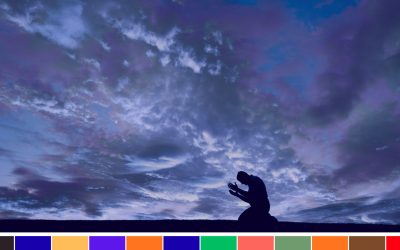
There is no single “correct” posture. Scripture shows people meditating while sitting, kneeling, lying prostrate, or lifting their hands in praise. Choose what feels most comfortable and least distracting. The fourteenth-century mystic Richard Rolle preferred sitting and wrote, “In sitting I am most at rest, and my heart most upward.”
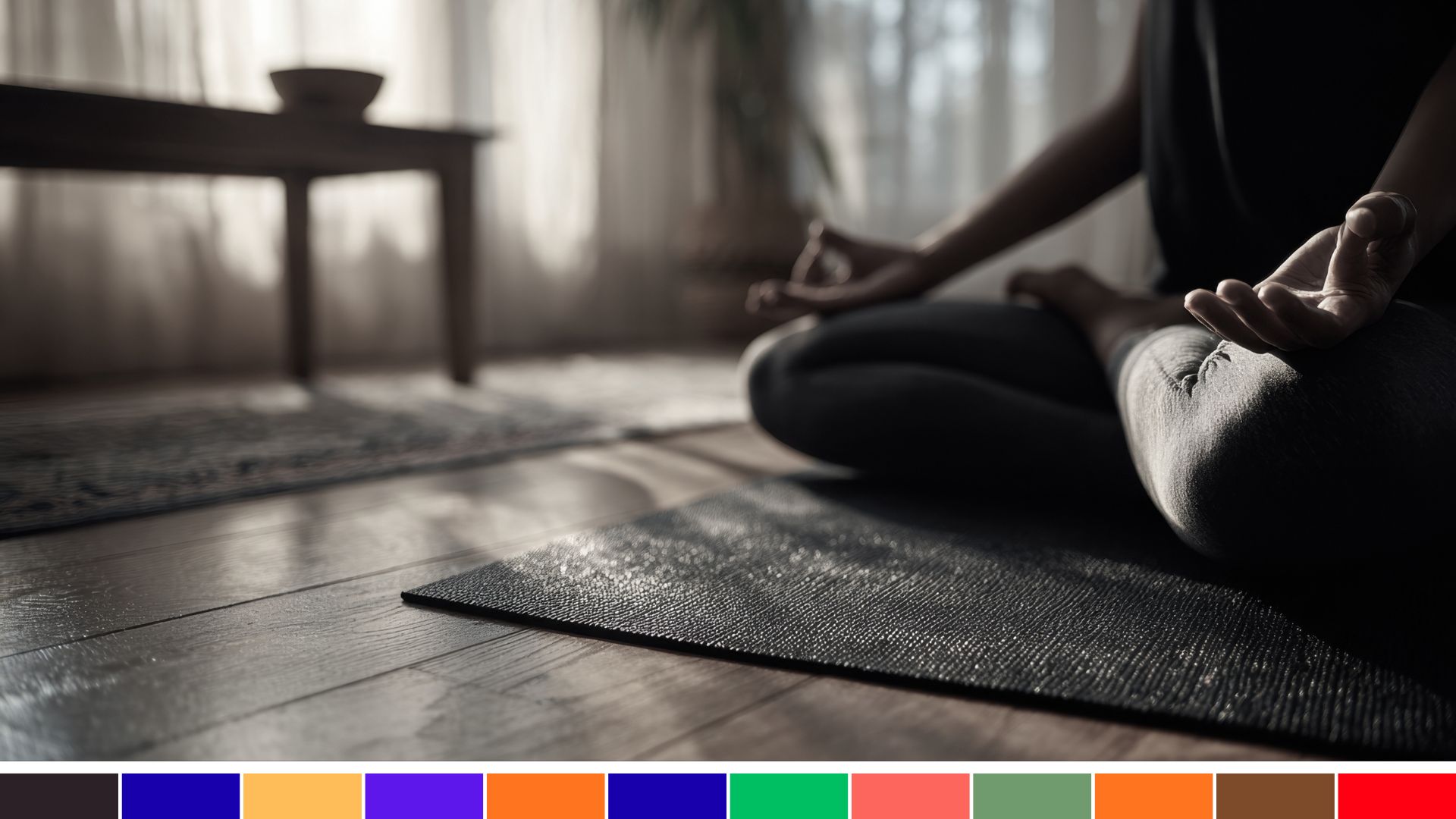
If you choose to sit, consider using a straight chair, placing your feet flat on the floor, and resting your hands in your lap or on your knees. Closing your eyes can help minimize distractions.
The goal of meditation is to center the body, emotions, mind, and spirit on “the glory of God in the face of Christ” (2 Corinthians 4:6).
A Simple Practice: Palms Down, Palms Up
Once you have chosen a time and place and settled into a posture of prayer, you may wish to try a simple meditation practice Foster calls Palms Down, Palms Up.
Begin by placing your palms down in your lap. As a gesture of release, silently offer your concerns to God. Foster suggests prayers such as:
- “God, I give you my anger toward [a person or situation].”
- “I release my anxiety about [a concern or fear].”
- “I surrender my fear about [something that has happened, is happening, or may happen today].”
Take time to release these concerns, then quietly say to yourself, “Palms down.” Sit briefly in the act of letting go.
Next, turn your palms upward in your lap as a gesture of openness and receptivity. Silently pray:
- “I receive your peace in the face of my anger.”
- “I receive your patience in the face of my anxiety.”
- “I receive your love in the face of my fear.”
Sit briefly in receiving.
Then remain in silence.
Do not ask for anything.
Simply allow God to commune with you.
This is a simple way to practice meditation each day. It requires only willingness and intention. How do you know if it works? Notice how you move through the rest of your day. Those who meditate regularly often report lower blood pressure, a greater ease of being, and a deepening of the Fruits of the Spirit: love, joy, peace, patience, goodness, kindness, faithfulness, gentleness, and self-control.
Now imagine what kind of world we might inhabit if we all took time to meditate.