
from Calvary Community Hour Spiritual Disciplines Series inspired by Richard Foster’s Celebration of Discipline
There is a reason silence feels uncomfortable to so many of us.
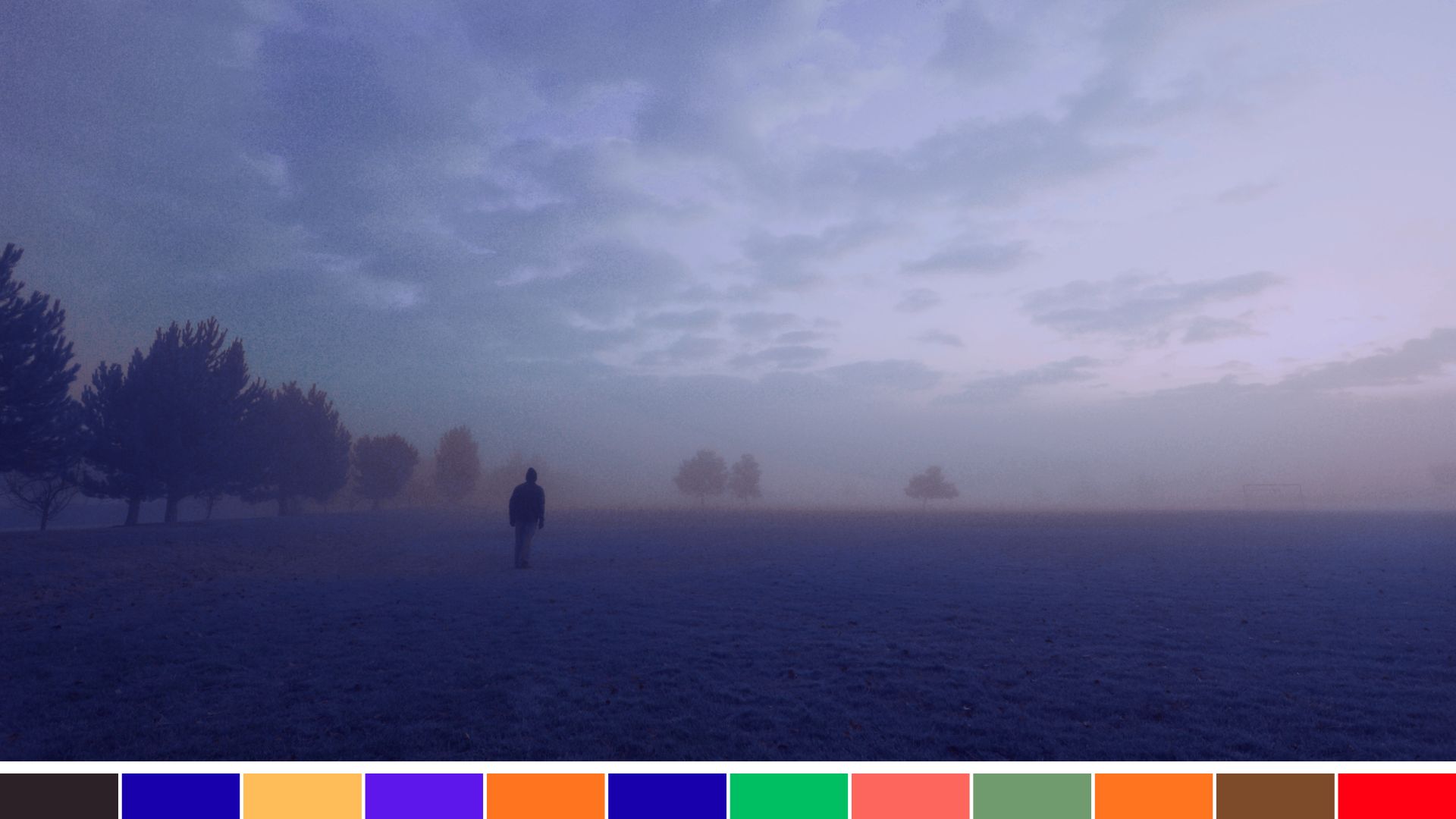
We fill our lives with podcasts, television, endless scrolling, background music, schedules, errands, conversation, and noise because silence can feel frightening. The fear of being alone petrifies people.
And yet the Christian spiritual tradition insists that solitude is not something to fear. It is something to practice.
In Celebration of Discipline, Richard Foster writes:
“Loneliness is inner emptiness. Solitude is inner fulfillment.”
What a dramatic, but nuanced distinction.
Loneliness drains us. Solitude restores us. Loneliness isolates us from others and ourselves. Solitude reconnects us to God, to our true selves, and ultimately to one another.
Solitude Is Not About Escaping People
When many people hear the word “solitude,” they imagine monks in caves, silent retreats, or disappearing into the wilderness for weeks at a time. But Foster insists that solitude is not primarily about geography. It is a state of mind and heart.
He writes that when we cultivate inner solitude, we carry with us “a portable sanctuary of the heart.”
It reminds me of a song we sometimes sing in the 9:15 a.m. Family Service at Calvary, “Lord, prepare me to be a sanctuary: pure and holy; tried and true. With thanksgiving, I’ll be a living sanctuary for you.”
Solitude is not about getting away from people. But when we do spend time alone, we make space for God. God shows up. Then, we return to people with God having taught us in the silence and stillness how to become inwardly attentive to God. We wind up being attentive to God even in the middle of a noisy and demanding world.
We can sit alone in a room and still be consumed by anxiety and distraction. We can also be surrounded by crowds and yet remain grounded in a deep interior stillness.
That kind of inward solitude was central to the life of Jesus.
Again and again in the Gospels, Jesus withdraws to lonely places to pray. Before choosing the disciples, he spends the night alone in prayer. After the death of John the Baptist, he retreats into solitude. Before the cross, he goes into the garden of Gethsemane.
Even Jesus needed silence.
Solitude made it possible for him to return and to truly love people.
The Courage to Be Silent
Silence and solitude belong together.
One of the old spiritual sayings says:
“All those who open their mouths close their eyes.”
That feels painfully relevant in our moment. We live in a culture of immediate reaction, endless commentary, and constant explanation. We feel pressure to defend ourselves, justify ourselves, clarify ourselves, and manage how others perceive us.
Silence interrupts all of that.
Foster says one reason silence is so difficult is because it makes us feel helpless. We are accustomed to using words to control situations and manage outcomes. But silence asks us to surrender control and trust God instead.
And honestly, that is difficult.
Silence has a way of exposing our insecurity. We wind up speaking words to protect ourselves and to justify ourselves.
The discipline of silence teaches us that we do not have to explain ourselves all the time. We do not have to win every argument. We do not have to justify our existence.
God is capable of being our justifier.
There is a freedom in that.
Solitude and the Dark Night
If we practice solitude deeply enough, eventually we encounter something the Christian mystics called “the dark night of the soul.”
John of the Cross described it as a painful season where God feels absent, prayer feels empty, and spiritual certainty evaporates. It can feel like dryness, doubt, numbness, or even abandonment.
Our culture tells us to avoid experiences like this at all costs. We are taught that the spiritual life should always feel uplifting, comforting, and inspiring.
But the mystics understood something different.
Sometimes God meets us most deeply when the noise, emotion, ego, certainty, and distractions fall away.
The dark night may seem to some like punishment, when in reality, it is purification.
It is the painful process of learning to trust God beyond feelings, beyond emotional highs, and beyond easy answers.
I think many people quietly experience seasons like this and assume they are failures at faith. They are not.
If you experience this kind of spiritual “dark night,” don’t give up. God is at work. And in these periods, with the normal inspirations and distractions out of the way, God can do some of God’s best work.
Solitude Makes Us More Loving
One of the great paradoxes of the spiritual life is this: solitude actually makes us better companions.
Foster argues that if we never withdraw from people, we eventually lose the ability to truly be present to them. We become reactive, shallow, exhausted, or performative.
But when we cultivate inner stillness, we become more attentive and compassionate.
Henri Nouwen famously wrote:
“Without solitude it is nearly impossible to live a spiritual life.”
Why? Because solitude frees us from our compulsions. It loosens our addiction to approval, attention, productivity, and noise. It creates space for God to reshape our hearts.
And from that space, we become more capable of genuine love.
A Few Ways to Begin
The good news is that solitude does not require disappearing into a monastery or disappearing from your everyday life.
It begins with small practices.
You might try:
- Turning off the radio during a drive.
- Sitting quietly for ten minutes before bed.
- Taking a walk without headphones.
- Creating a quiet corner in your home for prayer.
- Spending part of a day without speaking unnecessarily.
- Asking before you speak: Is it true? Is it necessary? Is it kind? Does it improve upon the silence?
Foster encourages people to seek “little solitudes” like these throughout ordinary life.
This is how the discipline of solitude teaches us how to remain inwardly rooted in God wherever we are.
Questions for Reflection
- What keeps me from silence and solitude?
- What am I afraid I might hear in the quiet?
- Where might God be inviting me into deeper attentiveness?
- How could I create small moments of solitude this week?
The purpose of solitude is not withdrawal for its own sake.
The purpose is to see and hear more clearly.
To become more grounded.
More awake.
More loving.
And perhaps, in the silence, to discover that we were never truly alone at all.
We’re coming into a season that lends itself to solitude, with the busyness of the school year giving way to the quieter days of summer. How might you set aside some time for silence, stillness, and solitude?